This part of Umbria, as fascinating as it is unspoiled, enjoys a unique microclimate: the extremely breezy hills chase away the fog, while winters are decidedly cold and springs mild. In summer, light and sun bathe the vines without excess, allowing the grapes to ripen gradually, stress-free, completing the cycle of a climate with continental overtones.
It's easy to imagine significant temperature variations in summer and during the harvest, ideal for fragrant grapes and wines of great freshness and enjoyment.
The rest is done by the soils: alluvial, medium-textured, rich in skeleton and pebbles, moderately calcareous, and with a low percentage of clay. These overall conditions ensure late ripening of the grapes, capable of enhancing aromas and acidity even in the hottest years.
The vineyards are divided into various parcels, essentially classified into three groups based on age and location. The oldest vines date back to 1998 and are in full production. Altitudes range from 250 to 400 meters.
The highest and most ventilated hilltops are dedicated to Pinot Noir. Other key varieties are linked to older traditions, such as Sangiovese, Malvasia Nera, Ciliegiolo, and Montepulciano, or to more recent ones, starting with Syrah (Cortona is just a stone's throw away). Among the whites, Grechetto, Malvasia Bianca, and Friuliano stand out, a reminder of the area's post-war presence with various farmers arriving from the north. The grapes, grown with the utmost care and generally harvested between mid-September and mid-October, are selected parcel by parcel and immediately brought to the cellar.
Fermentation is completely natural, using only indigenous yeasts, and takes place in various steel vats and 40-hl conical oak vats. Malolactic fermentation and aging also take place in these latter containers (ten in total).
In the cellar, everything is done simply and rigorously, but without shortcuts or artifice. The maturation of the wines follows the same rules: whether in steel, cement, or wood, it must complement the fruit and character of the terroir without overpowering it.





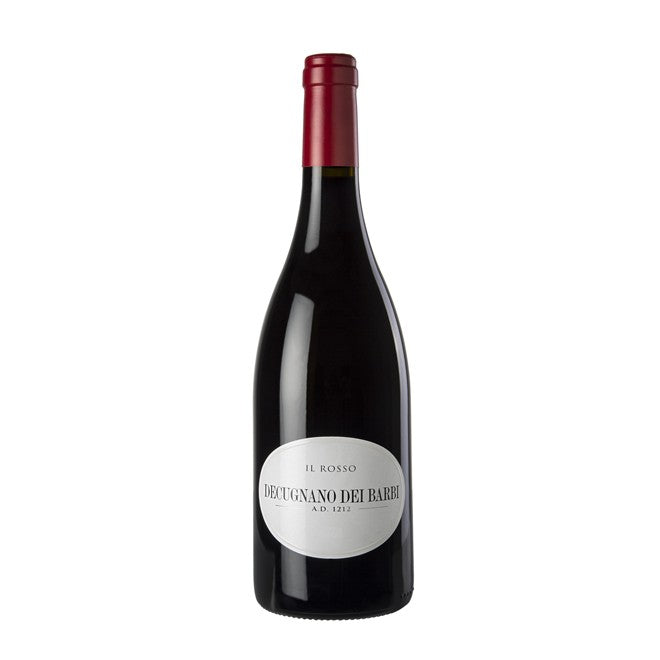
 VINTAGE 2019
  DENOMINATION Umbria IGT
 GRAPE VARIETY Syrah
 ALCOHOL 13%
 TYPE Red Wine
  PAIRINGS: Meat Appetizers, Meat First Courses