Tenuta di Castellaro is located in Quattropani, the highest village on the island of Lipari. The estate's owner is Massimo Lentsch, a Bergamo-born entrepreneur who, in love with Sicily and Sicilian wine, was already producing wine in Ragusa. However, after a vacation in Lipari, he recognized the terroir's immense potential and created this new company. The estate comprises several plots scattered across the island: Vigna Maggiore, Lisca, Lisca Alta, Caolino, and Gelso are the main ones. The largest area is located in Castellaro, from which the estate takes its name. It comprises approximately twenty hectares in total, located in remote locations, offering breathtaking views of the other islands of the archipelago, but only nine of these are currently planted with vines.
A very significant event was Massimo's fortunate encounter with winemaker Salvo Foti, founder of the Consorzio dei Vigneri, who offered his many years of experience producing wines in the Aeolian Islands to the new winery. The Consorzio dei Vigneri's goal is to produce excellent wines while fully respecting nature and the island's traditions, such as the alberello training of the vines with chestnut wood supports, a tradition that has been practiced on this island since ancient times.
In 2013, after four years of work, the Tenuta's winery was inaugurated on Lipari with a solemn ceremony attended by local authorities and a delegation of Japanese operators. It is the largest winery in the Aeolian Islands, ultra-modern with a very low environmental impact, and entirely focused on natural winemaking. The winemaking process occurs by gravity flow, without the use of pumps, where the must ferments using native yeasts, and where cooling is achieved naturally using a wind tower and other alternative natural energies.
The volcanic soils, rich in pumice and obsidian, have provided an exceptionally favorable habitat for grape varieties such as Malvasia di Lipari, Corinto, Carricante, Nero d'Avola, and other native varieties. The wines produced, almost as a tribute to the soil's natural beauty, are named after stones. Among these are Bianco Pomice and Nero Ossidiana, both expertly blended blends of various grape varieties, creating truly extraordinary and important wines. These wines have quickly spread beyond the borders of Sicily and Italy, reaching as far as Japan, Australia, and the United States.


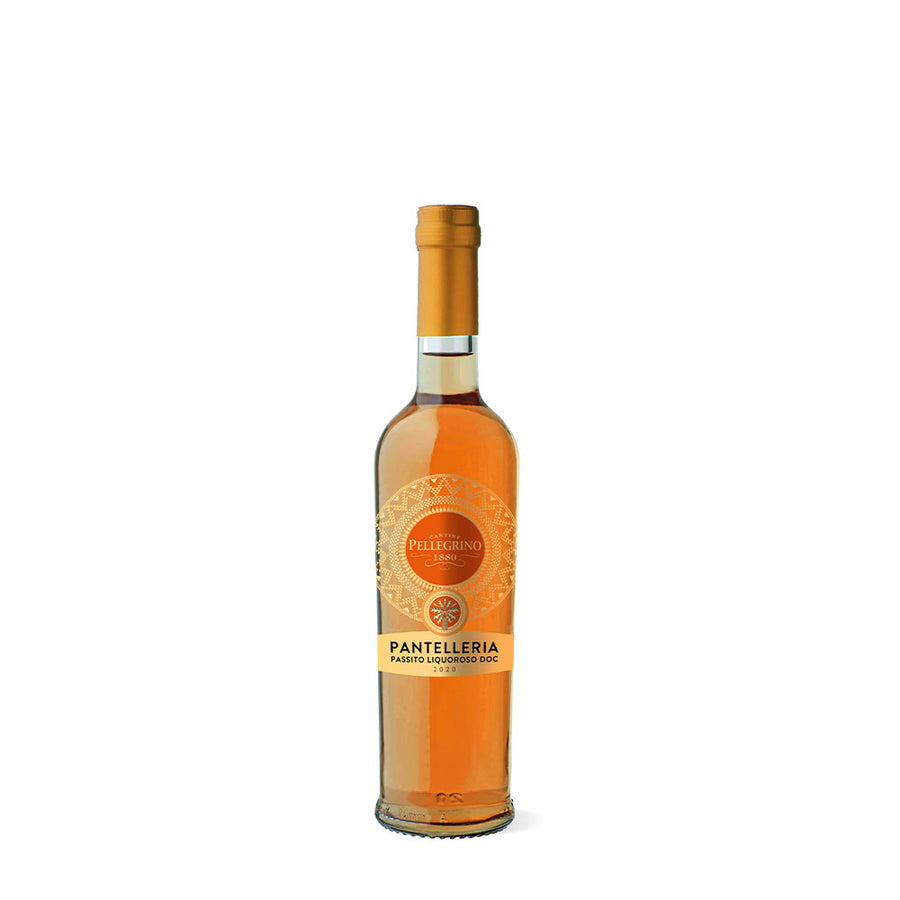



 VINTAGE 2016
  DENOMINATION Malvasia delle Lipari DOC
 GRAPE VARIETY Malvasia delle Lipari, Corinto
 ALCOHOL 11.5%
 TYPE: Passito wine
  PAIRINGS Dry Biscuits